
Generative engine optimisation in Dubai. A Practical Brand Playbook for Bilingual Founders
By Esar-ul-Haq Qasmi ·
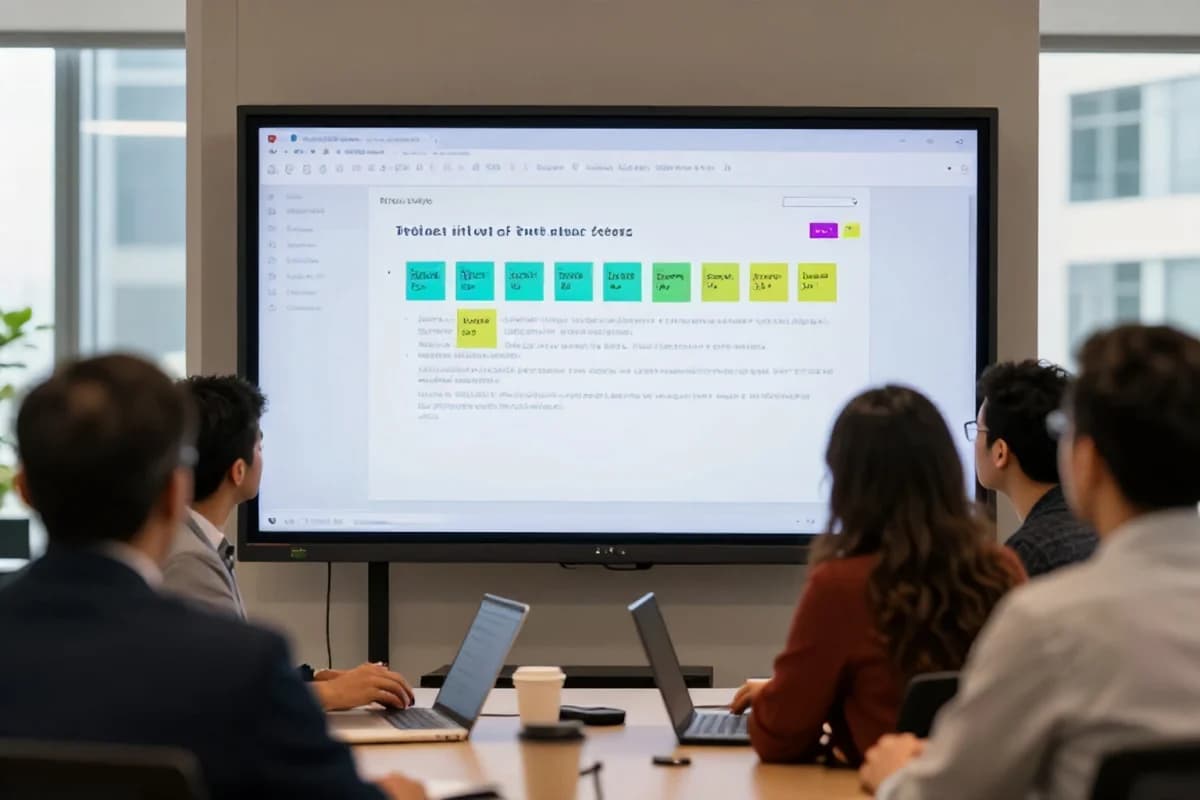
If you’re targeting generative engine optimisation, your goal isn’t “rankings” inside AI. It’s to ensure the generative responses that surface in Dubai are accurate, consistent, and brand-safe, using the same source content your team already owns. In practice, you build answer-ready pages, structure your brand information for both English and Arabic, and validate what users actually see in AI experiences.
Search phrase focus: generative engine optimisation
Generative engine optimisation in Dubai What it is and what it isn’t
Generative engine optimisation means designing your brand’s online content so that generative AI and answer experiences can reliably use it when users ask real questions. In the UAE market, this must include bilingual clarity because buyers often switch between English and Arabic mid-journey.
What it isn’t: it’s not a single tactic you do once, and it’s not the same as classic SEO. You’re optimising for “useful answers” that may be produced from multiple sources, not just crawling and ranking a page.
What it is in Dubai: you’re optimising for the way multinational audiences ask questions, how businesses are compared, and how services are described—then you’re packaging that information so the AI can ground responses in your content.
Key takeaways
- Generative engine optimisation is about making your brand information answer-ready, not gaming visibility.
- In Dubai, bilingual accuracy matters: English and Arabic must say the same thing, in culturally consistent wording.
- Build topic clusters for decision questions, not only for search keywords.
- Use “source discipline”: only publish what you’re comfortable seeing summarised in responses.
- Validate outputs by running guided prompts and comparing them to your source pages.
Why Dubai brands need generative engine optimisation now
Founders and marketing managers in Dubai typically don’t get time to chase every new channel. Generative AI answer experiences can compress “research time” for buyers—especially for time-poor users who want a fast, credible starting point.
For a brand in the UAE, that means your content needs to be:
- Consistent across your website, FAQs, service pages, and brand descriptions.
- Grounded in clear pages that explain what you do and who you do it for.
- Safe for summarisation: avoid ambiguity, mismatched claims, or duplicate explanations across languages.
And because the market is bilingual, a “good in English only” setup often fails the moment users switch to Arabic queries.
Step-by-step workflow for generative engine optimisation in UAE brands
Below is a practical workflow you can run with your internal team and your creative/tech partner. Treat it like a production process, not a “SEO task.”
Step 1 Build an answer map of real buyer questions
Start with questions buyers actually ask in your category. For Dubai, include the bilingual variant of the same question and capture intent, not just wording.
Example question set for many services:
- What does your service include?
- How does the process work from enquiry to delivery?
- What information do you need from a client to start?
- What deliverables do you provide?
- How do you measure success?
UAE-specific adaptation: you’ll often see users ask these through a mix of English and Arabic, and sometimes with Dubai-specific assumptions (timelines, communication style, and deliverable expectations). Build your answer map to reflect the reality you deliver, not generic agency talk.
Step 2 Turn your answer map into “answer-ready” page types
Generative responses tend to pull from pages that clearly explain and structure information. You want the page to read like an internal playbook, but presented for external users.
Create or upgrade a small set of page types:
- Service explainer pages that list what’s included and what’s excluded.
- Process pages that explain steps, inputs needed, and handoffs.
- FAQ hubs that cover decision blockers.
- Glossaries for category terms used in your industry, in both languages.
- Proof of method pages: not testimonials, but “how we work” examples, workflows, and deliverable formats.
Within a generative engine optimisation programme, you’re not creating lots of thin pages. You’re building a few high-clarity assets that can be summarised accurately.
Step 3 Ensure bilingual consistency English Arabic in parallel
Bilingual is not “translate later.” For generative engine optimisation, you need consistent meaning so AI can’t stitch contradictions together.
Use a parallel structure:
- Same section order in English and Arabic.
- Same included/excluded items.
- Same terminology mapping for key phrases (for example, the name of your service steps).
- One “source of truth” document your content team signs off on.
Practical check: take your Arabic content and back-check it against the English version line by line. If your Arabic explanation implies a different scope or outcome than English, fix it before publishing.
Step 4 Add “summarisable structure” without making your content robotic
You’re not writing for an AI parser. You’re writing for humans so well that an AI response can summarise it without breaking meaning.
Use:
- Clear headings that match the buyer’s question.
- Lists for deliverables, inputs, and step sequences.
- Short paragraphs (1–3 lines) to reduce ambiguity.
- Consistent phrasing for claims across pages.
Keep the page honest. If a response could be summarised into a statement you don’t stand behind, rewrite the source.
Step 5 Align your website and brand information with your “real enquiry” workflow
In Dubai, enquiries often happen quickly, via WhatsApp, calls, and landing pages. Your generative engine optimisation content should support that workflow.
Make sure your page answers these enquiry questions:
- What happens after the enquiry?
- How soon do you respond?
- What information do you need from the client?
- What deliverables will the client receive next?
If you’re already running an enquiry flow, document it and reflect it on the relevant pages. This is where “Branding & Creative” becomes real marketing operations, not just design.
A Dubai example with numbers what to measure and how to size the work
Let’s make this concrete for a typical Dubai business with multiple services and bilingual audiences. Assume you have:
- 5 core service categories
- 15 high-intent FAQs across English and Arabic
- 1 process explanation page
Work sizing (typical range): plan 3 to 6 weeks to create and update the answer-ready pages, then 1 to 2 weeks for bilingual QA, publishing, and validation prompts. If your site content is fragmented across many pages, add 1 to 2 extra weeks for consolidation.
How to measure progress without pretending you can predict AI “rankings”:
- Content coverage: track how many answer-map questions are fully answered on-page in both languages.
- Consistency score: count mismatches between English and Arabic scope statements.
- Prompt validation: run the same guided prompts your buyers would ask and compare the grounded source pages you want to appear as reference.
- Enquiry quality: measure what questions your sales team receives after publishing improved answer pages (you can track manually at first).
Source for the “prompt validation” idea: Google’s public documentation on how its systems and search experiences interpret content is not specific to “generative rankings,” but it repeatedly emphasises clarity, helpfulness, and page quality as key factors. For practical guidance, start from Google Search Central documentation on search documentation and adapt the concept of helpful, well-structured content to generative answer contexts.
Seasonal timing for November in Dubai what to update
With Dubai’s late-year business cycle and event-heavy momentum, many brands refresh planning before the major public event season. For November specifically, use this window to:
- Update service pages with any changes in delivery approach.
- Refresh bilingual FAQs based on the top questions you received in the last quarter.
- Add an “intake checklist” section to reduce ambiguity and improve answer quality.
Keep updates grounded in reality. The goal is not to chase trends; it’s to reduce buyer uncertainty when they ask “how it works” questions in AI experiences.
Checklist Answer-ready content assets you should have
Use this checklist during a generative engine optimisation sprint:
- One process page with steps, timelines, and client inputs (bilingual).
- For each service: inclusion list, deliverables list, what you need to start, and how you measure outcomes (bilingual).
- A bilingual FAQ hub that covers decision blockers (pricing style not included, but scope and timelines should be clear).
- Brand glossary explaining your key terms in both languages.
- Internal consistency checks so English and Arabic don’t drift.
- Prompt validation worksheet with 10 to 20 prompts and the reference pages you expect to support answers.
How DXB360 supports generative engine optimisation as part of 360 brand execution
Generative engine optimisation is hardest when brand and content are disconnected from delivery. DXB360 works across strategy, creative, technology, and experience so the same team improves your answer-ready pages and connects them to your real enquiry journey.
- Creative and bilingual page production: story structure, bilingual clarity, and deliverable-focused content.
- Strategy and information architecture: answer maps, page types, and consistency across the site.
- Technology alignment: your web and digital assets work together so buyers can progress from “answer” to “enquiry.”
- Experiential support: event and activation materials can be structured into answer-ready content after activations.
If you want a single place to start, review our services overview: /services/. For how we approach integrated work, use /our-process/.
Recommended starting point
If you’re unsure where generative engine optimisation fits in your current workload, book a free consultation so we can map your answer-ready gaps and prioritise the pages that will reduce buyer uncertainty first: /book-a-free-consultation/.
Related DXB360 blog posts
If you want the most relevant angle next, browse for topics around bilingual SEO, page clarity, and answer experiences within these feeds.
FAQ generative engine optimisation for Dubai brands
1. Does generative engine optimisation replace SEO in Dubai
No. Treat it as an additional layer. SEO helps ensure your pages are discoverable and well-structured, while generative engine optimisation focuses on whether your content can be reliably used in answer experiences.
2. Should we write new pages or update existing ones
Usually, update first. Consolidate duplicative pages, then create only the minimal number of new “answer-ready” assets needed to cover unanswered decision questions in both languages.
3. How do we handle bilingual translation so meaning stays aligned
Use parallel section structure and a single source of truth document. Then run back-checks so scope and deliverables remain identical across English and Arabic.
4. How do we validate whether AI outputs are using our content
Use guided prompts that mirror buyer questions and compare the grounded sources implied by the answers. The focus should be on whether your pages are the references that support accurate responses.
5. What should we prioritise if time and budget are limited
Prioritise your process page plus your top service pages and decision-blocker FAQs. Those assets have the highest impact on whether buyers get clear, consistent answers.
Contact DXB360 if you’d like help building a bilingual, answer-ready content plan for generative engine optimisation. You can start with a free consultation.