
Ecommerce website development UAE A practical SEO and conversion roadmap for Dubai and the wider UAE market
By Fazal Hussain ·
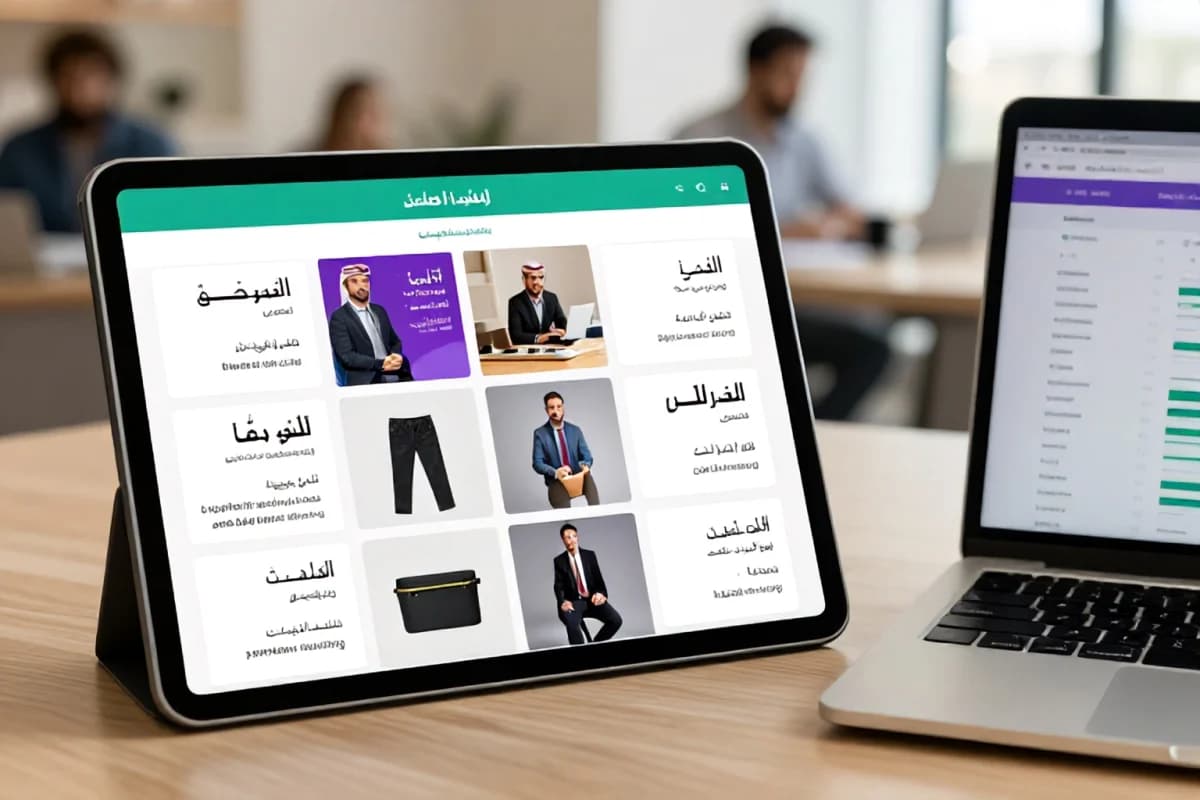
If you’re planning ecommerce website development UAE for your brand in Dubai, start with a bilingual, search-first site structure plus technical SEO that your shoppers can use on mobile. Then build conversion foundations: fast pages, trusted checkout paths, and tracking that shows what’s working by product category and language. This roadmap helps you avoid the common “pretty but not profitable” ecommerce rebuild.
Target search phrase: ecommerce website development UAE
When you search for ecommerce website development UAE, you’re really asking for two outcomes: shoppers find you through SEO and they complete purchases without friction. In the UAE, that means multilingual journeys (Arabic and English), mobile-first browsing, and measurement across channels (SEO, paid search, WhatsApp referrals, and marketplace traffic if you run it).
Key takeaways
- Design the site for SEO and conversion at the same time: category architecture, internal linking, and product page templates.
- Bilingual execution must be intentional: not just translated text, but URL, metadata, and on-page structure that matches how people search in Arabic and English.
- Technical SEO is the foundation: crawlability, indexation, structured data, speed, and clean pagination for collections.
- Measurement must be built into the build: GA4 or equivalent plus ecommerce event tracking and language-aware reporting.
- Go live with a staged plan: staging QA, redirects, sitemap strategy, and a post-launch monitoring checklist.
1) Start with ecommerce SEO intent in Dubai and the UAE
Before you decide on a platform, templates, or visual direction, lock the SEO intent map for your store. For UAE ecommerce, you need separate but connected intent clusters for both languages, and you need them reflected in your categories and internal linking.
Build a bilingual category and keyword map
- English intent examples: product + location (Dubai, UAE), brand + model, and “buy online” variants.
- Arabic intent examples: the same product terms in Arabic, plus the local phrasing customers use when searching for “delivery” and “near me” equivalents (even if you don’t use local store inventory).
- Customer journey mapping: identify whether users start with categories (collections) or direct product pages (high brand/model intent).
Practical output: a spreadsheet with columns for category, subcategory, language, target search queries, and the product attributes you must show on the page to satisfy intent (size, material, compatibility, usage, etc.).
2) Ecommerce website development UAE should be architecture-first
Most ecommerce rebuilds fail because the site is designed like a gallery, not like a search engine. For SEO, your category and product template logic matters more than the homepage design.
Category pages: make them indexable and useful
- Unique, keyword-aligned headings for every collection and subcollection.
- Filter and sort rules: ensure the “default view” is indexable and that filtered combinations don’t explode into thousands of duplicate URLs.
- Pagination cleanup: collections should have stable, crawlable pagination behavior.
- Internal linking: link from top subcategories to relevant product groups and from blog/guides to buying paths.
Product pages: template the elements that convert and rank
- Above-the-fold product value: price visibility policy, key attributes, and shipping/delivery expectations that match your real operations.
- Structured descriptions: short specs first, then detailed content for SEO and customer confidence.
- Media strategy: consistent image zoom behavior and video where it supports purchase decisions (especially for high consideration items).
- Reviews and Q and A: if you have them, display them on-page and connect them to product variants; if you don’t, plan a staged rollout.
UAE example with numbers: if you run a bilingual store with 40 categories, 400 SKUs, and 2 languages, a template approach that adds “unique content blocks” per category can mean you create (very roughly) 40 English category pages + 40 Arabic category pages, plus 800 product page language variants. Plan the content workload early so the dev timeline doesn’t stretch at launch.
3) Bilingual SEO execution in ecommerce website development UAE
Bilingual sites in the UAE aren’t just a translation job. You need to ensure Arabic and English pages are both discoverable, correctly linked, and consistent in structure and user experience.
Use bilingual fundamentals that affect both ranking and UX
- Language-aware URL structure (decide early): keep language separation consistent and predictable.
- Metadata for each language: titles and descriptions should reflect actual search phrasing in Arabic/English.
- RTL handling: ensure layout, alignment, and component direction work across the entire site.
- Localized on-page content: shipping terms, returns language, and product specs should be consistent and accurate.
Practical warning: don’t ship a “one-language-first” build where Arabic is added later. You’ll end up with uneven indexation, messy canonicalization, and internal links that don’t serve Arabic searchers.
4) Technical SEO requirements to include in the build brief
Technical SEO isn’t an afterthought. For ecommerce, technical work often determines whether your category and product pages even have a chance to rank.
Include these in your ecommerce development scope
- Indexation and crawlability: verify robots directives, sitemap coverage, and that important pages are reachable by crawl paths.
- Structured data: product schema for eligible items, and breadcrumb schema for better SERP understanding.
- Canonical strategy: especially critical with filters, variants, and pagination.
- Performance budgets: set measurable targets for mobile speed and image handling.
- Security basics: HTTPS, and safe asset delivery to prevent mixed content issues.
Use an SEO validation checklist before launch
- Test key category and product URLs in both languages.
- Confirm canonical tags match the intended language version.
- Verify sitemaps include only the pages you want indexed.
- Check that internal links route correctly across languages.
- Run crawl tests to confirm there are no unexpected redirect loops or orphan pages.
5) Conversion foundations: what ecommerce websites need in the UAE
Even strong SEO traffic doesn’t convert if your checkout and product decision flow is unclear. In ecommerce website development UAE, treat conversion like a requirement, not a “later optimisation.”
Design the buying path for mobile first
- Clear product availability: what’s in stock, what’s limited, and what isn’t.
- Delivery clarity: show realistic delivery expectations based on your operations.
- Trust signals: ensure policies are easy to find (returns, warranty if applicable, payment options).
- Variant selection usability: size/color selectors must be fast and error-proof.
Tracking that answers business questions
Decide what you need to learn from day one: which categories generate organic sessions, which pages drive add to cart, and which language version performs better for specific products. That requires ecommerce event tracking and clean naming conventions for categories, languages, and campaign sources.
6) Budget and timeline planning without guesswork
Costs for ecommerce development vary widely based on scope, platform choice, integrations, and content volume. The most reliable way to budget is to separate your project into modules and assign realistic effort to each.
Practical module breakdown for ecommerce website development UAE
- Strategy and information architecture: category model, templates, SEO mapping, content requirements.
- Design system and UX: bilingual components, RTL support, mobile layouts.
- Development: ecommerce platform setup, theme/custom components, product and category templates.
- Integrations: payments, shipping, ERP/OMS if needed, marketing pixels and consent handling, analytics.
- QA and SEO readiness: crawl tests, language validation, performance testing.
- Launch and monitoring: redirects, indexing checks, and post-launch fixes.
UAE example with numbers: if your store has 400 SKUs and each product needs 5 core attribute blocks (specs, materials, usage, compatibility, and FAQs), that’s 2,000 content blocks across English. For Arabic, it doubles. Even if your translations are handled efficiently, plan time for bilingual review and QA. This is often the real schedule driver in UAE ecommerce rebuilds, more than the coding itself.
7) A practical launch plan for SEO stability
When you rebuild an ecommerce site, your biggest SEO risk is losing indexation due to missing redirects, sitemap mistakes, or changed URL logic. The fix is a staged, checklist-based launch.
Before go live
- Create a URL mapping document from old to new (especially categories and best-performing product URLs).
- Prepare redirects in a way that preserves language intent.
- Generate and validate sitemaps for both languages.
- Confirm analytics and ecommerce events fire correctly on key flows (view, add to cart, checkout start, purchase).
During go live
- Run a staged rollout if possible so you can monitor indexing behavior.
- Watch error logs and search console coverage for the first days after launch.
After go live
- Validate that priority pages are crawling.
- Fix broken links and missing media quickly.
- Review category and product indexing by language and refine internal linking where needed.
Where to start with DXB360
If you want an integrated build that covers SEO, UX, creative, and tracking, DXB360 can support the full lifecycle. You can start with a clear discovery and technical/SEO scope, then move into design and development with bilingual execution and performance readiness.
- Explore DXB360 services for integrated 360° delivery
- See how DXB360 runs strategy through delivery and measurement
- Book a free consultation to map your ecommerce site plan
Related blog posts you’ll likely want next
- How to deliver a bilingual site that converts on mobile and ranks
- Website Speed in Dubai and Abu Dhabi: A Practical Fix Plan for Bilingual Brands
FAQ ecommerce website development UAE
1) Should we build bilingual Arabic English ecommerce URLs or just switch languages inside the same pages?
For SEO and user clarity, language separation should be intentional. Decide based on how you want content to be indexed and how users navigate. DXB360 can help you choose a structure that supports bilingual metadata, internal linking, and crawl behavior.
2) What matters more for ecommerce SEO: the homepage or product and category templates?
Product and category templates usually matter more. Those pages carry most of your search opportunities and are where you can directly satisfy shopping intent with attributes, specs, structured content, and internal linking.
3) How do we avoid duplicate content problems with filters and variants?
Define how filters behave for crawl and indexation. Use a canonical strategy and ensure the default collection views are crawlable and indexable, while filtered combinations don’t create uncontrolled duplication.
4) What’s the fastest way to reduce dev timeline risk in a bilingual ecommerce rebuild?
Lock the category model and product page template requirements early, then stage bilingual content QA before final development. Content review and bilingual alignment are often the real timeline drivers.
5) After launch, what should we monitor first to protect SEO?
Check crawl/indexation coverage for both languages, validate key category and product URLs, confirm redirects are working, and monitor ecommerce event tracking to ensure measurement matches reality.
If you want a clear plan for your ecommerce website development UAE roadmap, reach out to DXB360 for a consultation and we’ll map your SEO, bilingual UX, and launch checklist together.