
Corporate Event Planning in Dubai: A 360° Playbook for Executives and Marketing Teams
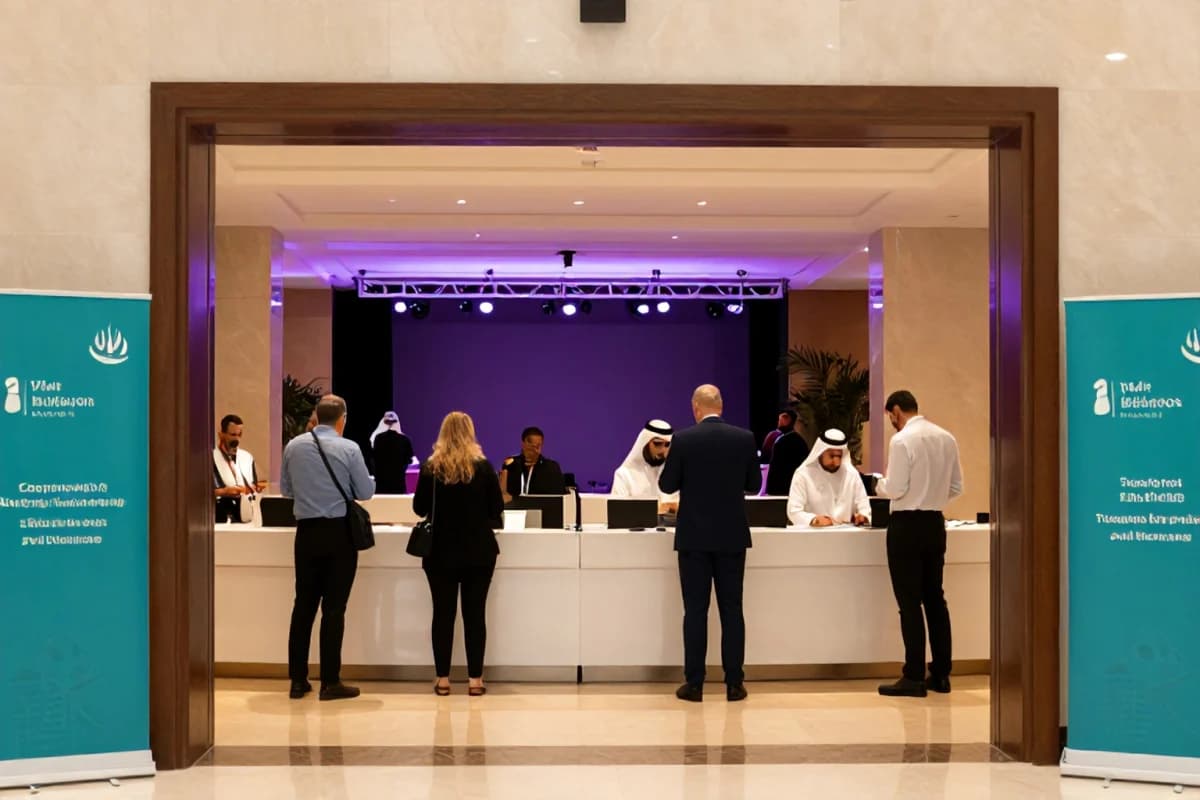
Start with one decision: what should the event achieve for your business?
Before you book a venue or ask for proposals, define the business outcome. Corporate events in Dubai usually fail when teams plan the “experience” but not the “purpose.” Make the goal measurable in a practical way—something your team can validate after the event.
Choose one primary objective (and one secondary):
- Lead generation: capture qualified contacts and route them to sales/CRM.
- Brand positioning: shift how the market describes your company (creative + messaging + PR moments).
- Customer engagement: deepen relationships with existing clients and partners.
- Product or capability showcase: demonstrate features with live demos and clear calls-to-action.
- Internal alignment: motivate teams and communicate strategy with consistency and pace.
Once you pick the objective, you can design the rest: format, audience journey, speaker content, and what you must track.
Lock the event structure: the format should match the audience calendar
On 22 October, you’re in the stretch where many Dubai and Abu Dhabi companies are scheduling end-of-year momentum activities. Your event needs to fit how people behave during this period: faster inboxes, more WhatsApp coordination, tighter time windows, and higher expectations for smooth on-site operations.
Pick a format that matches your goal and the attention span of your audience:
- Executive conference: best for strategy, industry visibility, and thought leadership. Requires tight agenda control and high-quality stage AV.
- Brand showcase / launch: best for product/capability moments. Requires demo flow, signage/wayfinding, and media-friendly visuals.
- Client appreciation dinner: best for relationship depth. Requires bilingual guest communications and an elevated run-of-show.
- Hybrid corporate session: best when stakeholders are spread across locations. Requires rehearsal and a clear plan for online interaction.
- Workshop or training experience: best for internal alignment or partner enablement. Requires facilitation, materials, and clear follow-up.
If you’re unsure, start by answering: Are we asking people to sit and listen, or to participate and act? That answer determines everything from stage design to registration questions.
Build your 360° event plan in three layers (strategy, creative, technology)
A strong corporate event in Dubai is not only an on-site day. It’s a sequence: invite, expectation-setting, arrival experience, engagement moments, and post-event follow-up.
Think of your plan in layers:
- Strategy layer: objective, audience segments, messaging pillars, KPIs, tracking method, and follow-up plan.
- Creative layer: event identity, bilingual copy, stage visuals, motion graphics, content themes, and photo/video moments.
- Technology layer: registration flow, CRM capture, on-site check-in, AV/streaming, data capture, and reporting.
1) Strategy: audience segments and a simple journey
Segment your attendees so your run-of-show and communications match what matters to them:
- Executives and decision-makers
- Existing customers
- Prospects / partners
- Media and industry stakeholders (if applicable)
- Internal teams
Then map a basic attendee journey:
- Invite: what they need to know to commit.
- Pre-event: what they expect to get (agenda highlights, speaker credibility, dress code).
- Arrival: wayfinding and check-in without friction.
- Engagement: the moments that keep attention and create value.
- Close: the next step (meeting requests, onboarding, content access, sales follow-up).
- Post-event: a fast thank-you and action-based follow-up.
2) Creative: bilingual experience and Dubai-friendly pacing
In Dubai, most corporate audiences understand English, but bilingual execution reduces friction and boosts professionalism. Don’t treat Arabic as a translation step. Plan it as part of the experience.
Practical creative decisions:
- Agenda and stage content: decide where English dominates and where Arabic is shown. Keep font sizes readable from the back.
- Speaker intro style: confirm bilingual handoffs so announcements feel consistent, not improvised.
- Signage and wayfinding: ensure people can find check-in, seating, restrooms, and exits quickly.
- Visual language: harmonize stage screens, motion graphics, and printed materials so the brand feels unified.
Pacing matters. Corporate audiences often disengage when speakers read long slides. Build in interactive segments: a short panel, a live Q&A block, a brief networking activation, or guided demo stations.
3) Technology: capture data that your team can use
Technology should serve your objective. For example:
- If lead generation is primary: registration must collect the right fields and route contacts to your CRM.
- If brand visibility is primary: you need reliable capture for photo/video and distribution-ready assets.
- If hybrid matters: the production plan must reduce latency, audio issues, and speaker mic failures.
DXB360 can support integrated event delivery with a technology-and-creative approach through its broader services. If you need a single planning partner, start by reviewing the overall service scope here: Services and Our Process.
Use a 30–60–90 day planning timeline (built for Dubai event realities)
Below is a practical schedule you can run with an internal team and external partners. Adjust based on event size and whether you’re doing hybrid, VIP hosting, or media coverage.
First 30 days: define, design, and secure the critical path
- Confirm objective and KPIs: pick the one primary outcome and how you’ll validate it (e.g., number of qualified leads captured, number of meetings booked, internal feedback completion).
- Finalize audience list approach: invite list source, segmentation, and approval flow for messaging.
- Select event format and run-of-show framework: agenda blocks, networking segment, and closing call-to-action.
- Venue shortlisting: focus on capacity, layout flexibility, AV readiness, parking/arrival flow, and whether you can control branding on-site.
- Budget sanity check (no need for published pricing): allocate categories like venue, production/AV, creative, staffing, catering, and contingency.
- Bilingual content plan: decide what gets translated, who approves Arabic wording, and timeline for final copy.
- Registration and CRM plan: define fields, data ownership, and how attendance will be captured at check-in.
Days 31–60: production details and rehearsals
- Lock speakers and speaker briefs: provide timing, key messages, and bilingual expectations.
- Creative production: stage visuals, motion graphics, printed materials, and any projection/AR/VR needs.
- AV/tech planning: mics, sound checks, screen formats, backups, and streaming workflow (if hybrid).
- On-site logistics: stage managers, ushers, signage, queue strategy, and accessibility.
- Guest communications: confirm WhatsApp reminders, email calendar invites, and bilingual event day guidance.
- Rehearse the run-of-show: at least one full technical rehearsal for speakers and transitions.
- Build post-event follow-up workflow: thank-you email/WhatsApp template, lead routing, and asset delivery timeline.
Days 61–90: final execution prep and risk controls
- Finalize attendee experience: arrival timing, seating strategy, and how you handle late arrivals.
- Confirm staffing: roles for check-in, stage management, guest support, and VIP handling.
- Print and asset readiness: verify bilingual versions, QR codes (if used), and file formats for stage screens.
- Contingency plan: power/AV backups, speaker replacements, and a simplified “Plan B” agenda segment.
- Measurement readiness: ensure tracking links (if digital), registration reports, and CRM import templates are prepared.
- Day-before walk-through: layout, signage placement, staff briefing, and sound check schedule.
Registration and invitations: the Dubai execution checklist
In Dubai and the UAE, the way you invite people determines show-up rates. Don’t rely on one channel only.
Use a simple, multi-touch flow:
- Primary invite: email with calendar link + clear agenda summary.
- Reminder: WhatsApp message with time, location, and parking/arrival guidance.
- Confirmation: a short SMS/email confirmation (only if your internal process supports it).
- Day-of updates: a final WhatsApp reminder and contact number for on-site support.
Registration should collect what you’ll need after the event. For example:
- If you want meetings: collect job title, company, and preferred follow-up method.
- If you want content engagement: collect consent fields and interests.
- If you need VIP hosting: create a dedicated data tag for routing and seating.
And if you’re using a dedicated event registration page, make sure it’s integrated into your internal tracking and confirmation workflow. For example: Event Registration.
On-site execution: run-of-show, wayfinding, and production control
Most corporate event stress comes from the last mile: arrivals, speaker transitions, signage confusion, and audio issues. Build an on-site system that prevents these problems.
Run-of-show: timeboxing and ownership
- Assign owner for each segment: emcee, stage manager, timing lead, Q&A lead, and networking host.
- Timebox speaker content: specify start/stop and what happens if a speaker runs long.
- Q&A method: choose questions from audience and/or pre-submitted forms to avoid randomness.
Wayfinding and arrival flow
- Confirm entrances for guests vs. staff
- Place clear signage for check-in and seating
- Use staff with bilingual scripts for the first 30 minutes of arrival
- Keep queues short by separating registration counters by guest type if needed
Production: AV backups and rehearsal discipline
- Prepare speaker laptop adapters and test stage display compatibility
- Have at least one backup mic and a backup slide deck file
- Confirm audio levels and mic muting procedure
- If hybrid: use a dedicated audio and camera check window
Content moments: make the event shareable without turning it into “content theatre”
Your goal is business impact, not just social posts. Still, corporate audiences in Dubai expect polished visuals and clear narrative.
Plan “moment design” with purpose:
- Stage hero moment: product reveal or strategy keynote shot that photographs well.
- Human moment: partner/customer quotes, awards, or group photo setup.
- Learning moment: a panel or demo that produces quotable takeaways.
- Movement moment: networking activation that leads to real conversations.
Then pre-plan distribution:
- Immediate same-day highlights for stakeholders (if that matches your strategy)
- Within 48–72 hours: edited photo/video and a post-event recap for leads
- Within 1–2 weeks: longer-form content (if your marketing team can handle it)
Measurement and reporting: what to track so you can improve next time
After the event, you should be able to answer: did we achieve the objective, and what do we change next time?
Track data categories that map to your goal:
- Attendance: registrations vs. show-ups, check-in time, drop-off points.
- Engagement: Q&A participation, dwell time at demo stations, session satisfaction (internal survey or quick feedback).
- Lead outcomes: qualified leads captured, CRM updates completed, meetings requested.
- Content outputs: usable photos/videos delivered and whether marketing can reuse them.
Use reporting to improve internal processes—not to justify the event after the fact. If your team struggles to consolidate data, that’s a signal to align registration, check-in, and CRM earlier.
How to choose the right event partner (and avoid common mistakes)
When deciding whether to handle this in-house or hire an external team, ask direct questions that reflect how corporate events are built.
Ask about ownership across the full chain:
- Do they handle strategy, creative, production, and tech under one team—or do you manage multiple vendors?
- Can they deliver bilingual assets and manage Arabic/English approvals?
- What is their run-of-show and rehearsal approach?
- How do they capture attendee data and support reporting?
- What’s their contingency process for AV, speakers, and schedule overruns?
DXB360’s strength is the integrated model: strategy + creative + technology + experience for a 360° outcome. If you want a single partner that can connect digital communications with on-site impact, explore: Our Services and Services.
Timely ideas for October: keep momentum while the calendar moves
October in Dubai is a planning window for Q4 activity. Your corporate event can benefit from a “year-end momentum” theme without making it feel generic.
Practical ways to make it feel relevant now:
- Position it as a bridge to Q4: set expectations for what your company will deliver next.
- Use bilingual communication consistently: reduces friction and signals quality.
- Design a crisp agenda: executives value predictable pacing more than long sessions.
- Capture content with reusability: plan assets that marketing can use in late Q4.
And remember: even the most beautiful event will underperform if registration messaging, on-site flow, and follow-up aren’t aligned.
Suggested next step: build your event brief in one page
If you want to move quickly, create a one-page event brief for internal alignment and vendor discussions. Include:
- Primary objective and secondary objective
- Estimated attendee count and attendee segments
- Event format (and hybrid yes/no)
- Date/time window and preferred venue requirements
- Bilingual requirements (English/Arabic locations on-site)
- Registration method and data capture needs
- Run-of-show framework (agenda blocks)
- Post-event follow-up goals
Once that brief exists, planning becomes a series of controlled decisions instead of open-ended “ideas.”
Want help shaping the plan? Share your objective, audience type, and proposed date window—DXB360 can advise on an end-to-end corporate event approach tailored to Dubai execution. You can book a free consultation and we’ll map the next steps.