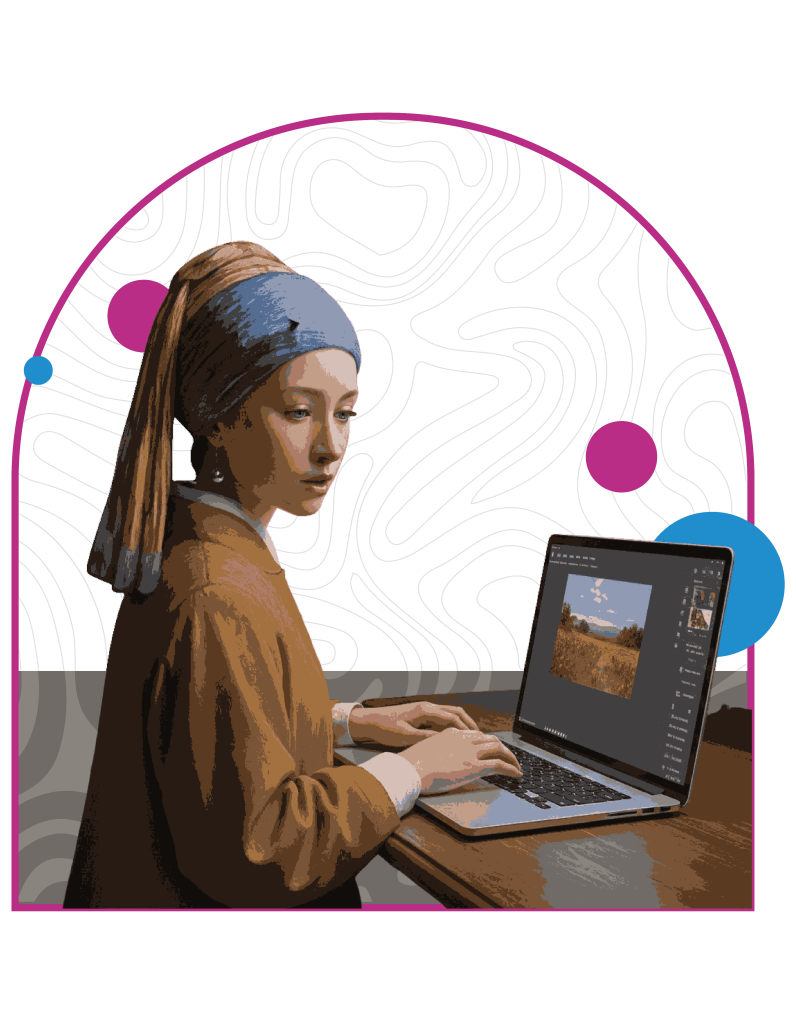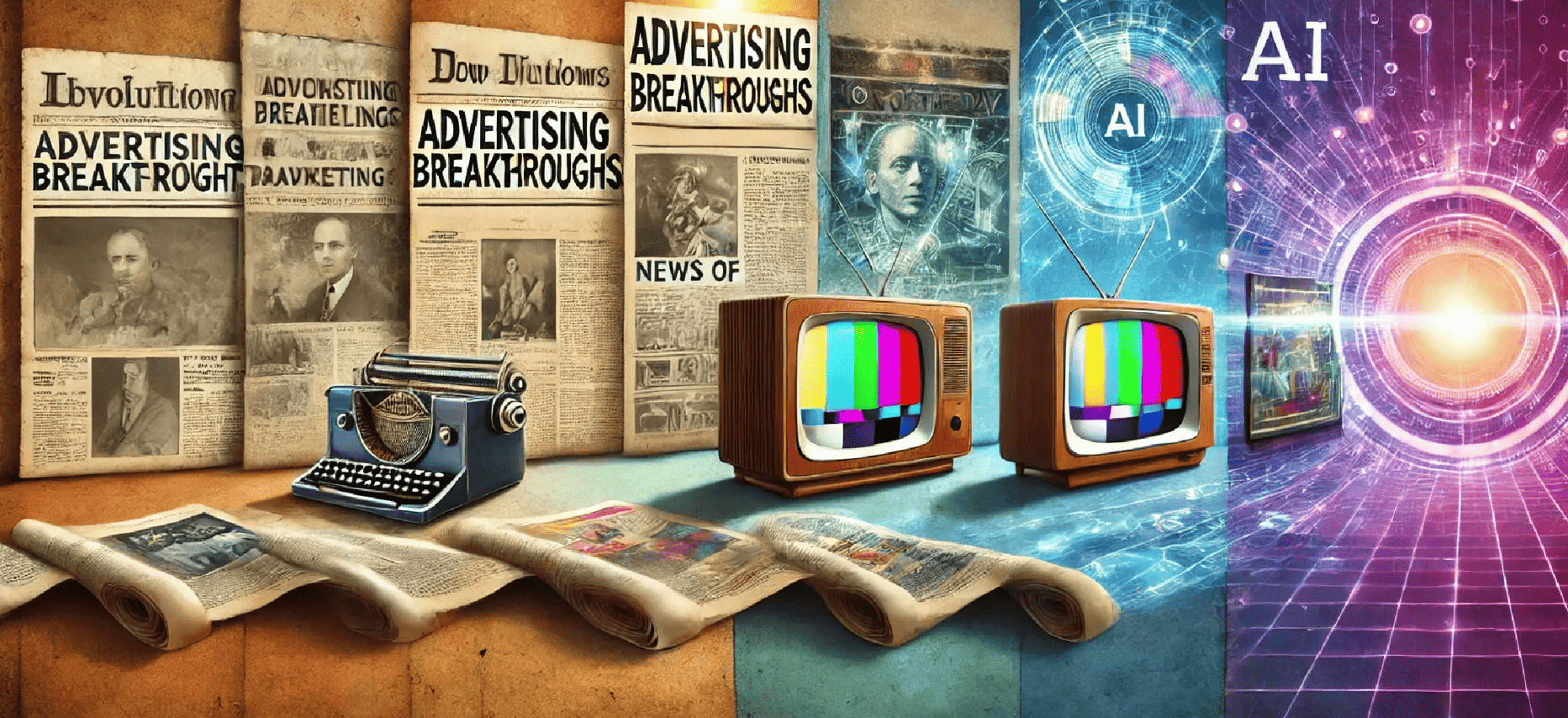
Artificial Intelligence is no longer a future concept in marketing—it has already become part of how modern businesses grow, advertise, communicate, and compete.
What once required large teams, long timelines, and heavy budgets can now be executed faster through AI-powered tools and automation. From content generation to customer analysis, AI is reshaping the marketing industry at a pace many businesses did not expect.
The biggest shift is not just technological.
It is strategic.
Businesses are beginning to realize that AI is no longer an advantage only for large corporations. It is becoming accessible to everyone—and those who adapt early are positioning themselves ahead of the market.
The Rise of AI-Powered Marketing
Marketing today is driven by speed, personalization, and data.
AI helps businesses:
- Analyze customer behavior faster
- Automate repetitive tasks
- Create targeted campaigns
- Improve decision-making
- Predict customer interests
This allows companies to operate more efficiently while delivering more personalized customer experiences.
Why AI Adoption Is Growing Rapidly
Several factors are accelerating AI adoption in business and marketing:
1. Faster Content Creation
Businesses can now generate content ideas, campaign concepts, ad variations, and marketing materials in minutes instead of days.
2. Smarter Advertising
AI helps platforms optimize campaigns automatically by identifying the audiences most likely to convert.
3. Better Customer Insights
AI tools analyze user behavior and trends that would otherwise take teams weeks to identify manually.
4. Increased Competition
As more companies adopt AI, others are forced to evolve quickly to remain competitive.
Marketing Is Becoming More Predictive
Traditional marketing relied heavily on assumptions and experimentation.
AI changes that.
Businesses can now predict:
- Customer preferences
- Purchase behavior
- Engagement trends
- High-performing audiences
This improves campaign efficiency and reduces wasted marketing spend.
How AI Is Transforming Customer Experience
Customers today expect:
- Faster responses
- Personalized communication
- Relevant recommendations
- Seamless digital experiences
AI-powered systems now support:
- Smart chatbots
- Automated customer journeys
- Personalized product suggestions
- Real-time support systems
As expectations rise, businesses without modern digital systems may struggle to keep pace.
The Human Side of AI
Despite rapid automation, successful marketing still requires creativity, strategy, and emotional understanding.
AI can accelerate processes, but businesses still need:
- Human storytelling
- Brand identity
- Creative direction
- Strategic thinking
The strongest brands are not replacing people with AI.
They are combining human creativity with AI efficiency.
Industries Seeing Major AI Growth
AI is impacting nearly every industry:
- Real Estate
- E-commerce
- Healthcare
- Finance
- Education
- Hospitality
- Marketing & Advertising
Businesses that once viewed AI as experimental are now integrating it into daily operations.
Why Businesses Should Start Learning AI Now
One of the biggest misconceptions is that businesses need to become “AI companies.”
They don’t.
But they do need to understand:
- How AI affects customer behavior
- How competitors are using it
- How digital marketing is evolving
- How automation can improve efficiency
Because the market is changing regardless of whether businesses are ready or not.
The Risk of Ignoring AI
Businesses that delay adaptation may face:
- Slower operations
- Higher marketing costs
- Reduced competitiveness
- Lower customer engagement
Meanwhile, AI-enabled businesses continue improving speed, personalization, and scalability.
The AI industry is still in its early growth phase.
As technology evolves further:
- Marketing automation will become smarter
- Search experiences will become more AI-driven
- Customer interactions will become more personalized
- Digital competition will accelerate even more
The companies preparing today will have stronger foundations tomorrow.
AI is not replacing marketing.
It is transforming how marketing works.
Businesses that understand this shift early will not only operate more efficiently—they will position themselves ahead of industries that are rapidly becoming more digital, data-driven, and AI-powered.